 Lakes
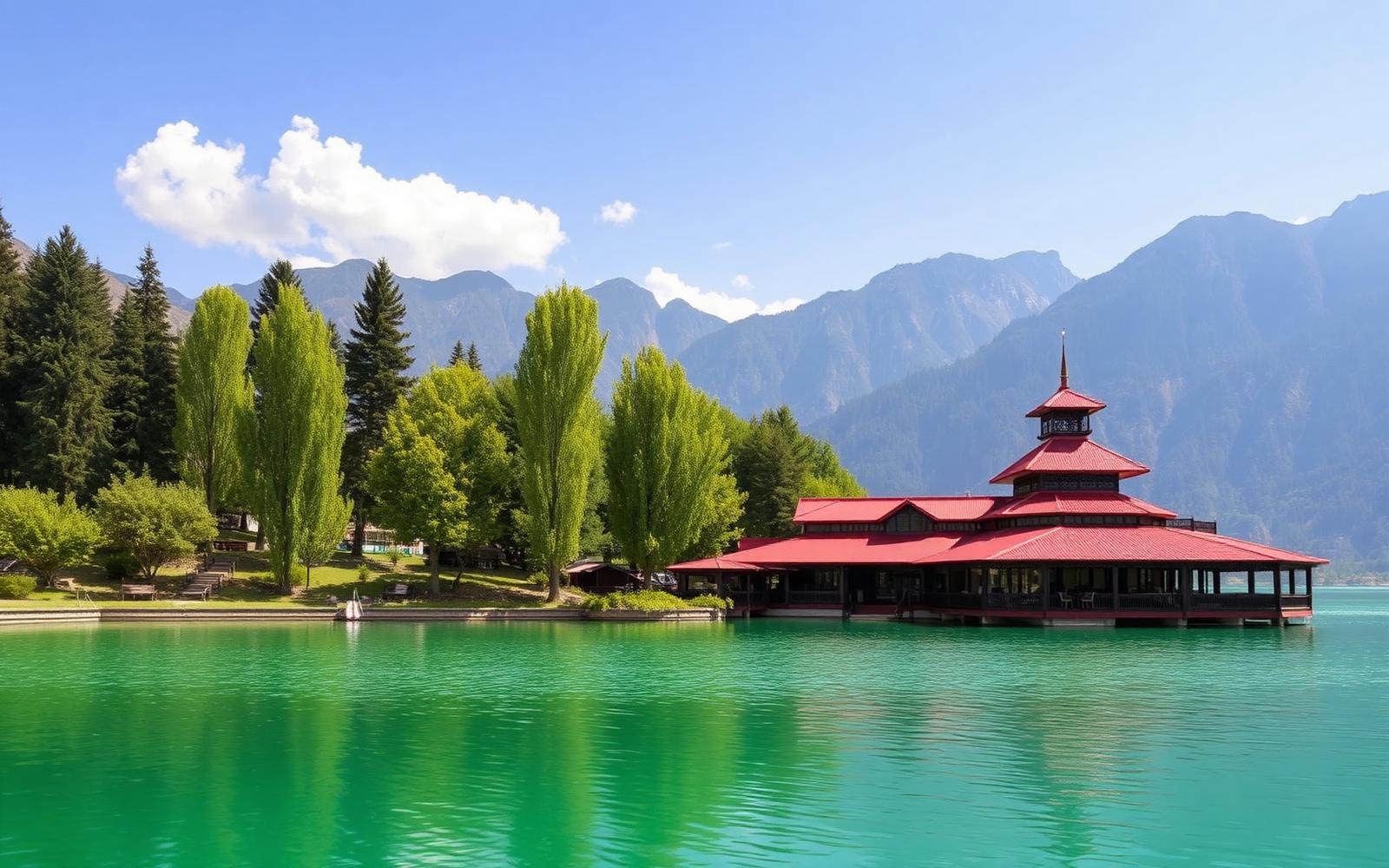
LakesShangrila Resort
The heart-shaped lake that put Skardu on Pakistan's tourist map
- Distance
- 20 km from Skardu city
- Altitude
- 2,500 m / 8,200 ft
Gilgit-Baltistan, Pakistan
Glacial lakes, the second-highest plateau on earth, cold deserts under 7,000-metre peaks and the road to K2. Everything you need to plan the trip, in one place.
Why Skardu
Skardu sits at 2,230 metres where the Indus and Shigar rivers meet, ringed by four of the world's fourteen 8,000-metre peaks. A one-hour flight from Islamabad drops you into a valley of turquoise lakes, 17th-century Balti forts, snow-filled deserts and the trailheads for K2.
Top tourist spots
LakesThe heart-shaped lake that put Skardu on Pakistan's tourist map
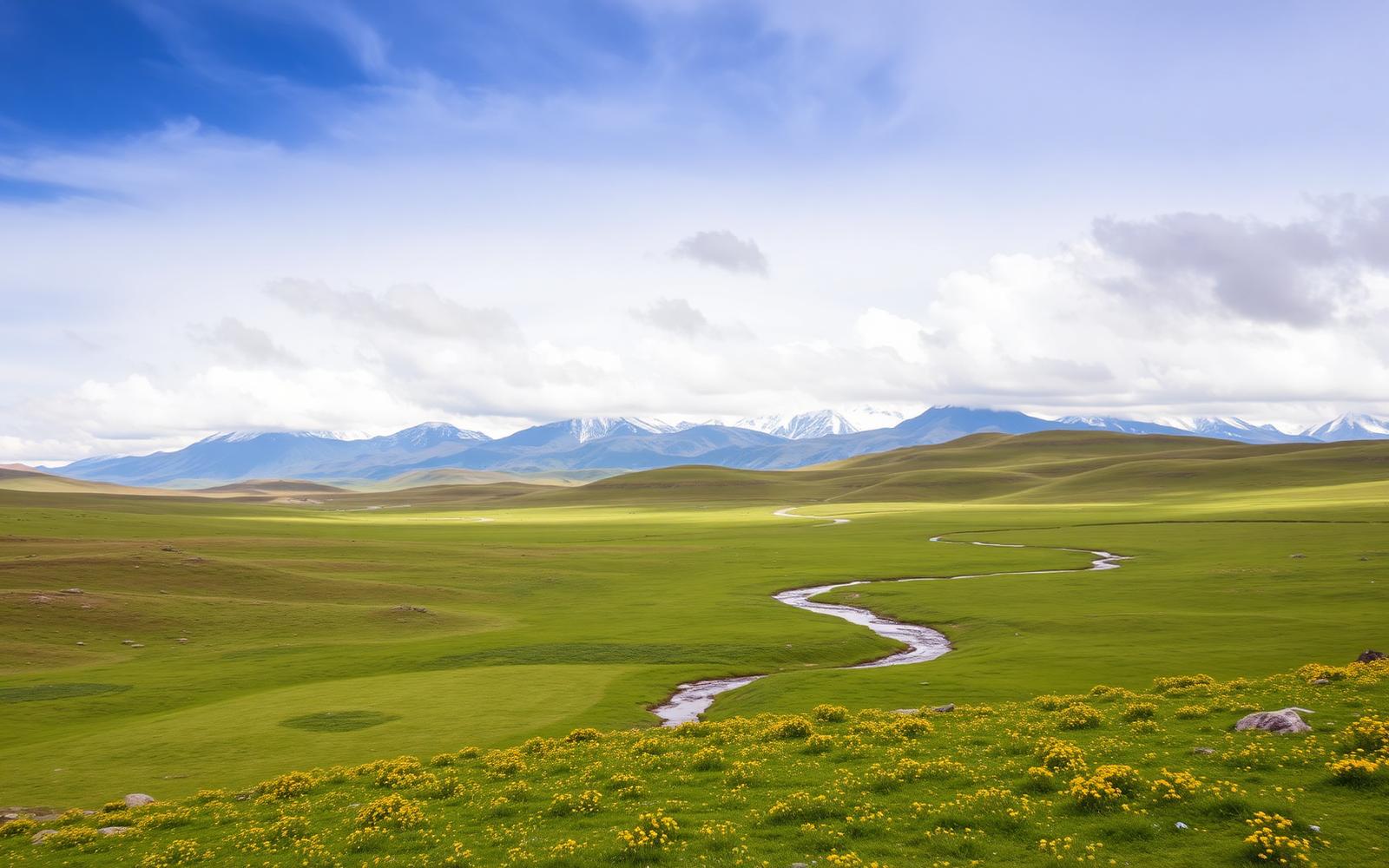 Nature
The Land of Giants, the second-highest plateau on earth
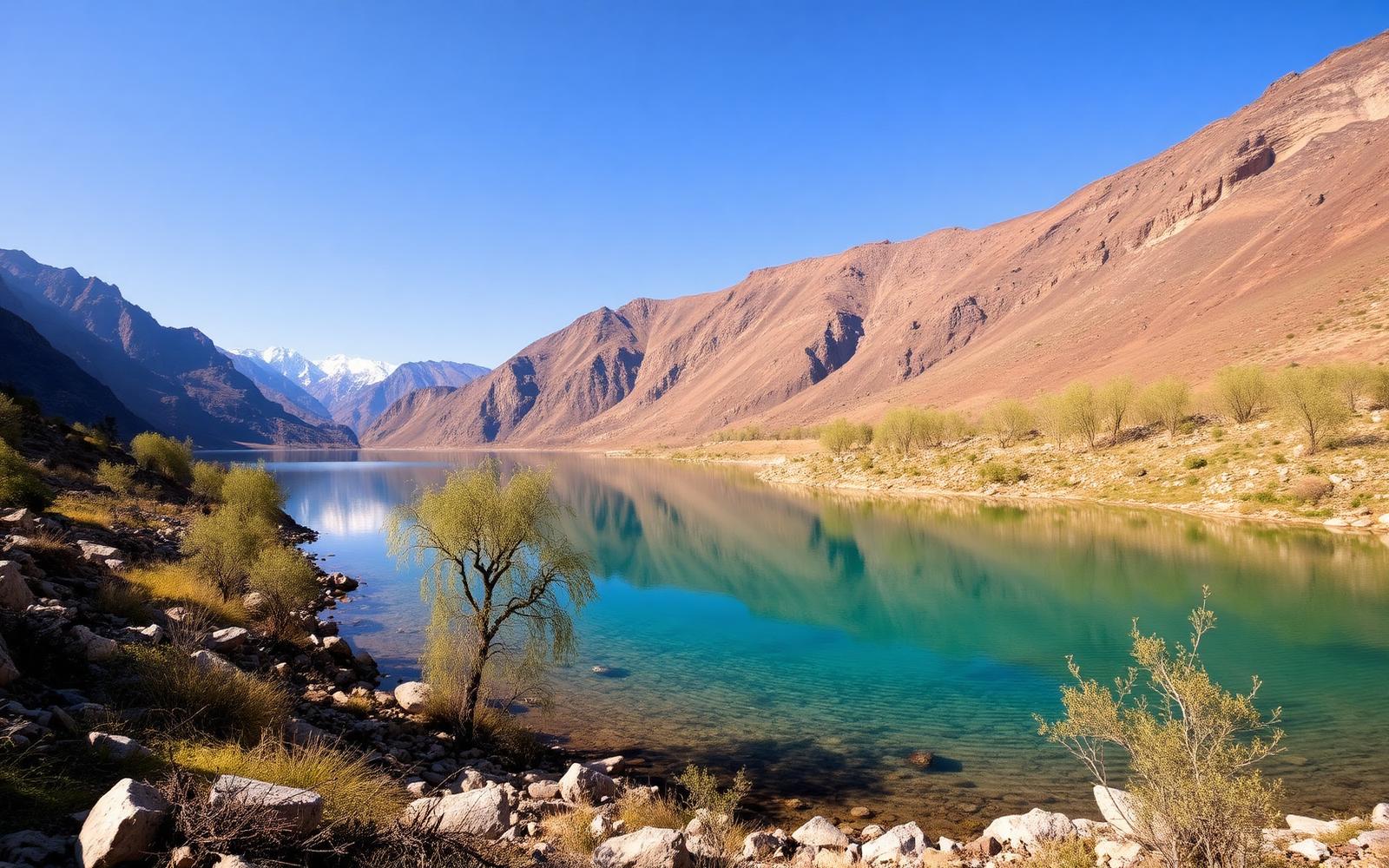 Lakes
LakesCold, clear and glacially deep, Skardu's most photogenic water
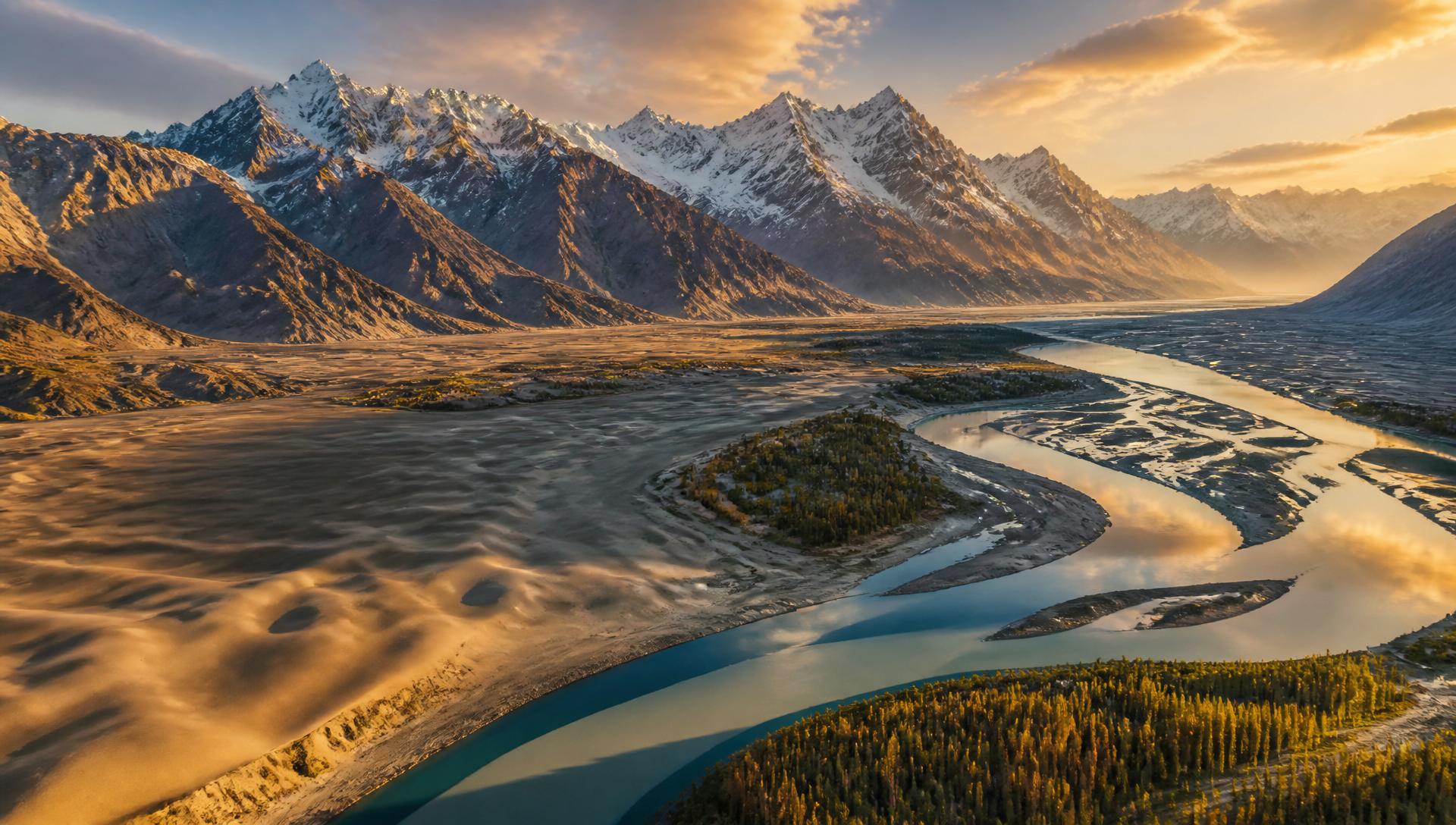
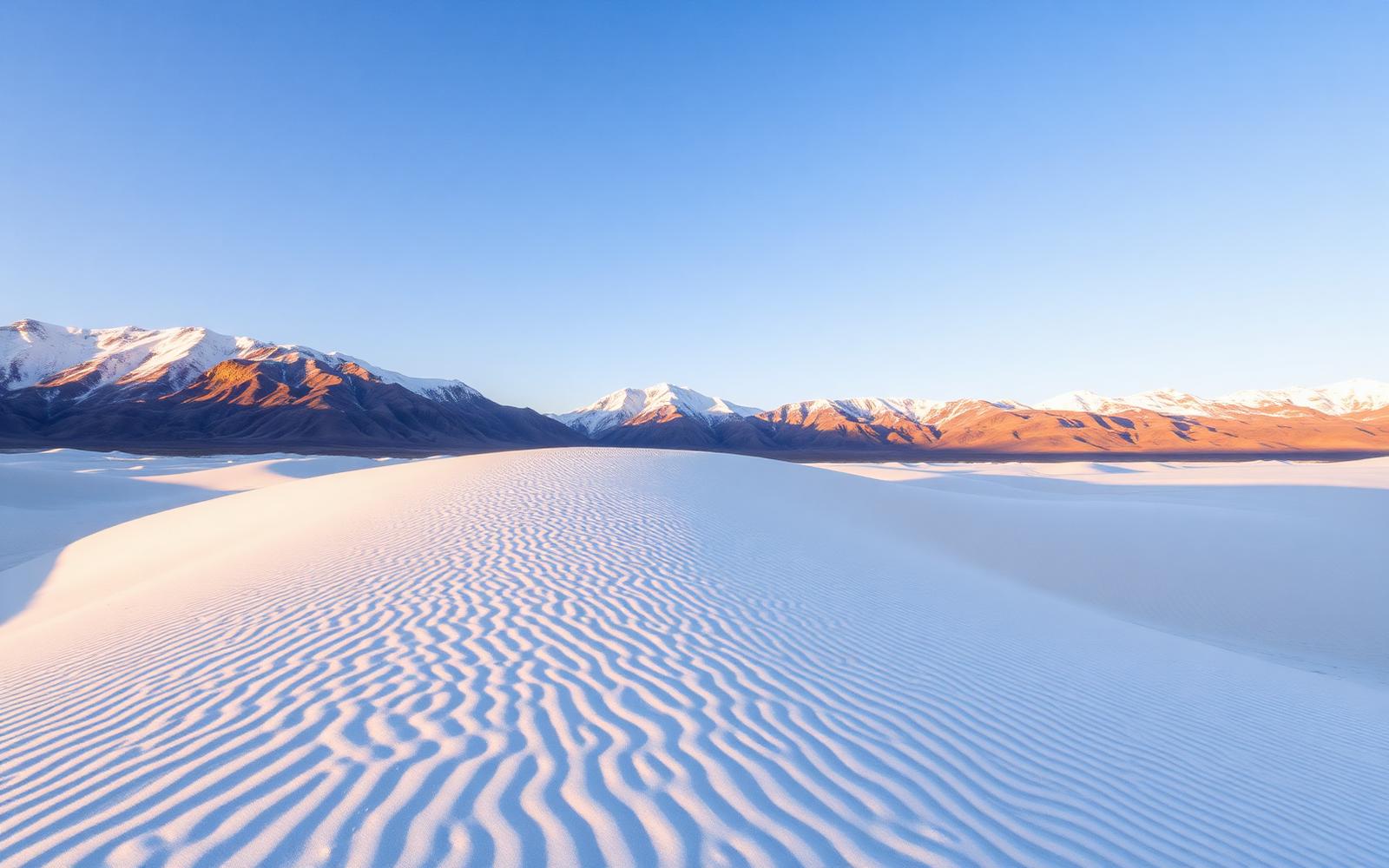 Deserts
White dunes beneath 7,000-metre peaks
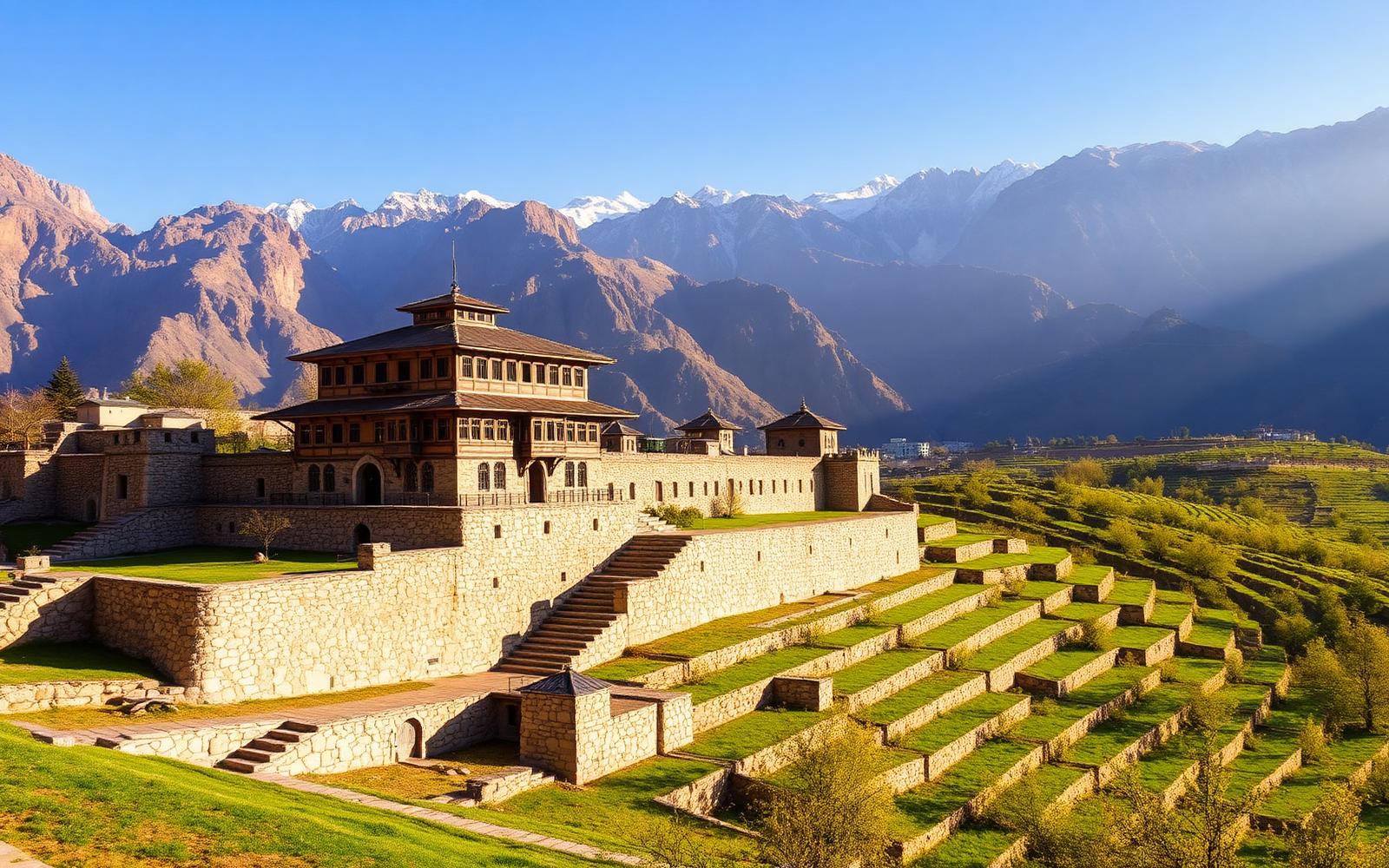 Heritage
A 400-year-old Balti palace and the gateway to K2
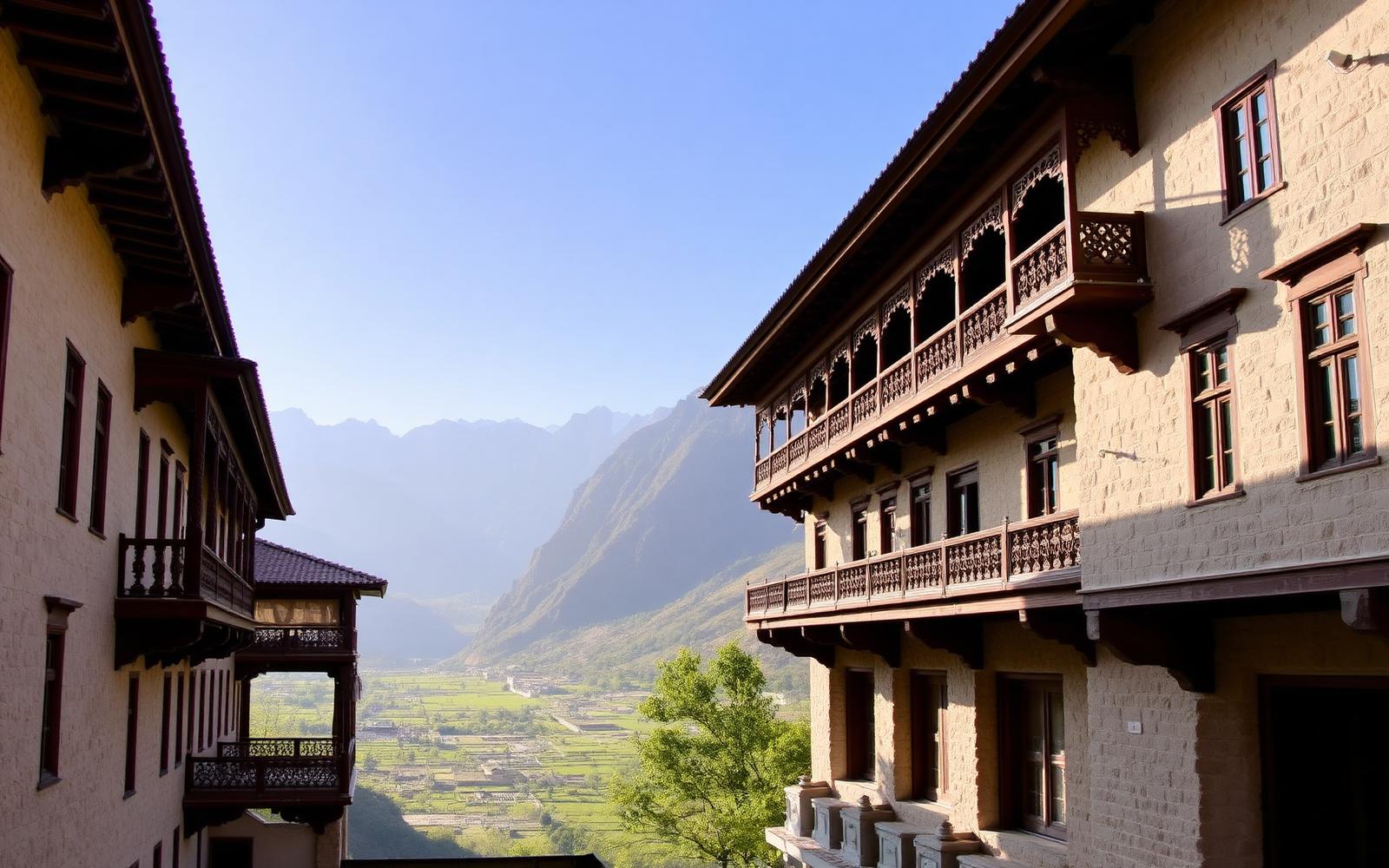 Heritage
Baltistan's most complete royal palace, above the Shyok river
Ready-made plans
5 days
The classic short trip: both Kachura lakes, Deosai, the cold desert and Shigar Fort, with an easy first day to adjust to the altitude.
View day by day7 days
Adds an overnight in Khaplu, a Kharmang day for Manthoka Waterfall and a spare buffer day for weather.
View day by day10 days
The full Baltistan loop with camping in Basho, the Hushe valley beneath Masherbrum, and time on the Deosai plateau rather than a rushed day trip.
View day by dayBook the trip
PIA operates the Islamabad-Skardu route year-round, with additional seasonal services from Karachi and Lahore. Compare fares and dates before you fix your itinerary.
Compare hotels, resorts and guest houses in and around Skardu, from budget rooms in the bazaar to heritage forts and lakeside resorts.
Skardu combines what no other single region in Pakistan offers together: turquoise glacial lakes, a genuine cold desert, restored Balti royal forts, and easy access to one of the highest plateaus on earth at Deosai, all within a day or two's drive of each other. That density of contrasting landscapes, rather than any one attraction, is what has pushed Skardu ahead of older tourist circuits in domestic popularity.
Improved flight connections from Islamabad and a steady stream of new hotels and heritage stays over the past decade have also made the region far more accessible than it was a generation ago, without stripping away the fact that this remains a genuinely remote, high-altitude part of the country.
Hunza, further north in Gilgit-Baltistan, is greener and more terraced, with an Ismaili cultural character and a longer-established tourism scene. Swat, in Khyber Pakhtunkhwa, is lusher and lower altitude, closer to Islamabad, and culturally Pashtun. Skardu and Baltistan are drier, starker and higher, with a Balti Shia and Nurbakhshi culture, Tibetan-influenced language and food, and a landscape defined by cold desert and vast open plateau rather than terraced greenery.
In short, Hunza offers postcard valleys and easier road access, Swat offers forest and river scenery close to major cities, and Skardu offers scale, altitude, desert-lake contrast and the gateway to K2, the trade-off being a longer journey and a rawer, less manicured travel experience.
Most first-time visitors base themselves in Skardu city and take day trips out to the Kachura lakes, Katpana desert, Deosai and Shigar, before deciding whether to add an overnight extension to Khaplu or further into Hushe. This hub-and-spoke approach suits five to seven day trips well; longer stays of ten days or more start to justify overnight bases in Shigar and Khaplu rather than a single Skardu city hotel throughout.
Our travel guide covers the practical groundwork, money, connectivity, packing and etiquette, while the itineraries page lays out ready-made 5, 7 and 10 day plans built around this exact logic.
The full set of destinations, with altitude, distance and seasonal notes for each, is catalogued on our places to visit page.
Five days is the minimum to see the core sights properly without rushing: the Kachura lakes, Deosai, Katpana and Shigar. Seven days adds Khaplu and a weather buffer day, which matters given how flight and jeep schedules can shift. Ten days or more opens up Hushe, Basho and an overnight on the Deosai plateau rather than a single long day trip.
A mid-range traveller sharing costs across a small group should expect somewhere between PKR 12,000 and 25,000 per day covering accommodation, food, local jeep transport and entry fees, excluding flights. Budget travellers can bring this down considerably by sharing jeeps and staying in simpler guest houses, while heritage stays at Shigar Fort Residence or Khaplu Palace push the premium end higher.
A full daily cost breakdown by budget tier is available on our travel guide page, and packaged pricing that bundles flights, hotels and jeeps together is on our tour packages page.
April and May for blossom, June to August for full access including Deosai at the cost of peak crowds and prices, and September for the clearest skies with most attractions still open. Winter suits a very specific kind of snow and desert photography trip rather than a general first visit. The full seasonal breakdown, including month-by-month temperatures, is on our best time to visit Skardu page.
Start with the travel guide for the practical basics, then use best time to visit Skardu and skardu weather to lock in your dates. From there, the places to visit pages cover each individual destination in depth, the itineraries page turns those places into ready-made day-by-day plans, and the tour packages, hotels in Skardu and flights to Skardu pages handle the actual booking side of the trip.
Related pages